Plenty of first-time visitors to Kenya head straight for the Masai Mara. If you have already done that, the Samburu Meru safari circuit offers a different kind of northern Kenya safari. It combines two rich wildlife areas that sit north and east of Mount Kenya. The route is quieter than the Mara circuit. It takes you through riverine forests, dry plains and hills where vehicles are fewer and wildlife is unusual. Six days gives you enough time to see both parks without rushing.
Keep in mind that safari marketing often calls a Nairobi to Nairobi trip “6 days” even when it holds five nights on the ground. The calmest version of this circuit uses six nights: three in Samburu and three in Meru. That is the plan this guide recommends.
The Best Samburu Meru Safari Circuit Itinerary
The best balanced Samburu Meru safari circuit takes six nights: three nights in Samburu and three in Meru, starting in Nairobi and ending in Nairobi. This gives you two full game-drive days in each park, plus enough time for the transfer between them. The direct drive between Samburu and Meru takes about three and a half to four hours. With stops, allow up to six.
A practical day-by-day shape looks like this.
Day 1: drive from Nairobi to Samburu, settle in, and take a late afternoon game drive.
Days 2 and 3: spend full mornings and afternoons in Samburu National Reserve.
Day 4: transfer to Meru National Park, with a lunch stop or a short wildlife break along the way.
Days 5 and 6: explore Meru with full game drives.
Day 7: drive back to Nairobi.
This structure keeps driving to two transfer days. You get four full game-drive days across the whole circuit, which is enough to see both parks properly.
How Many Days Do You Need for Samburu and Meru?
Allow at least five days for Samburu and Meru, but six or seven nights is more comfortable. Four days can work for travelers with limited time, while five-day tours commonly allocate two nights to each park and use the final day for the return to Nairobi. Seven nights reduces transfer pressure and adds a full wildlife day.
The table below compares the main versions. Treat these as planning guides, not fixed quotes.
| Circuit version | Nights in Samburu | Nights in Meru | Extra stop | Full game-drive days |
|---|---|---|---|---|
| 4 days / 3 nights | 2 | 1 | None | 1 to 2 |
| 5 days / 4 nights | 2 | 2 | None | 2 to 3 |
| 6 nights | 3 | 3 | None | 4 |
| 7 nights | 3 | 3 | Ol Pejeta Conservancy | 4 to 5 |
If your calendar only allows three days, a shorter route makes more sense. Our three-day Kenya safari itinerary is designed for that kind of break and does not try to cover both Samburu and Meru.
Samburu and Meru Wildlife Highlights
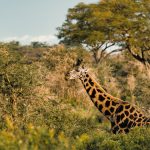
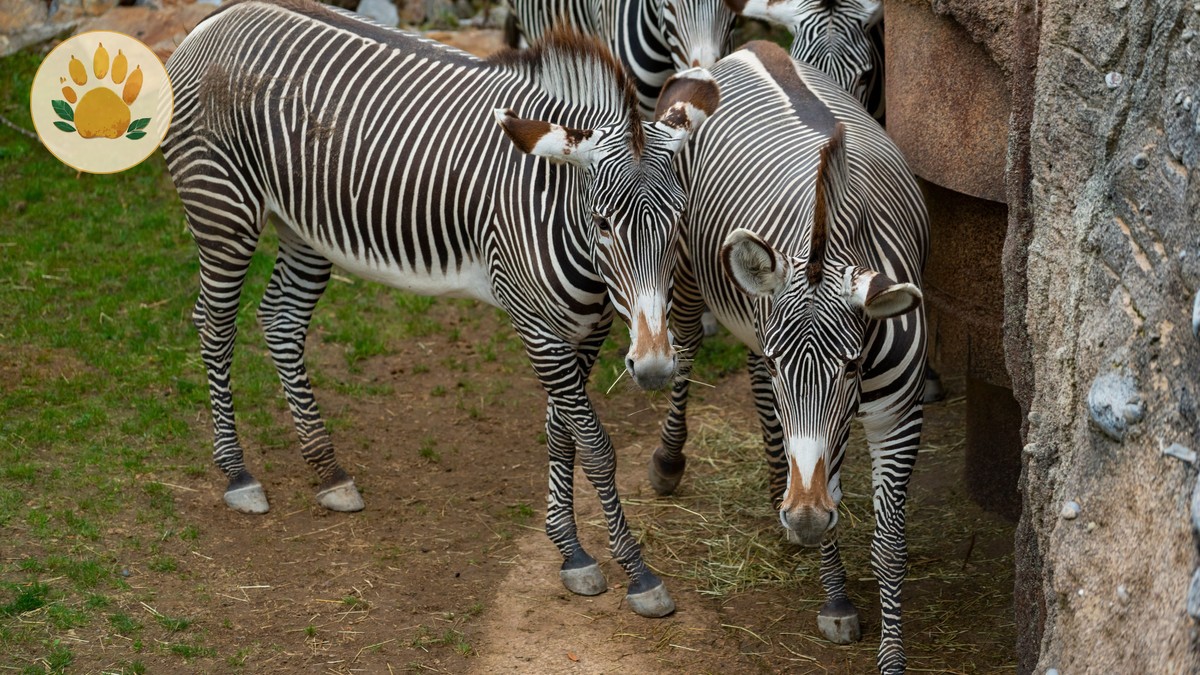
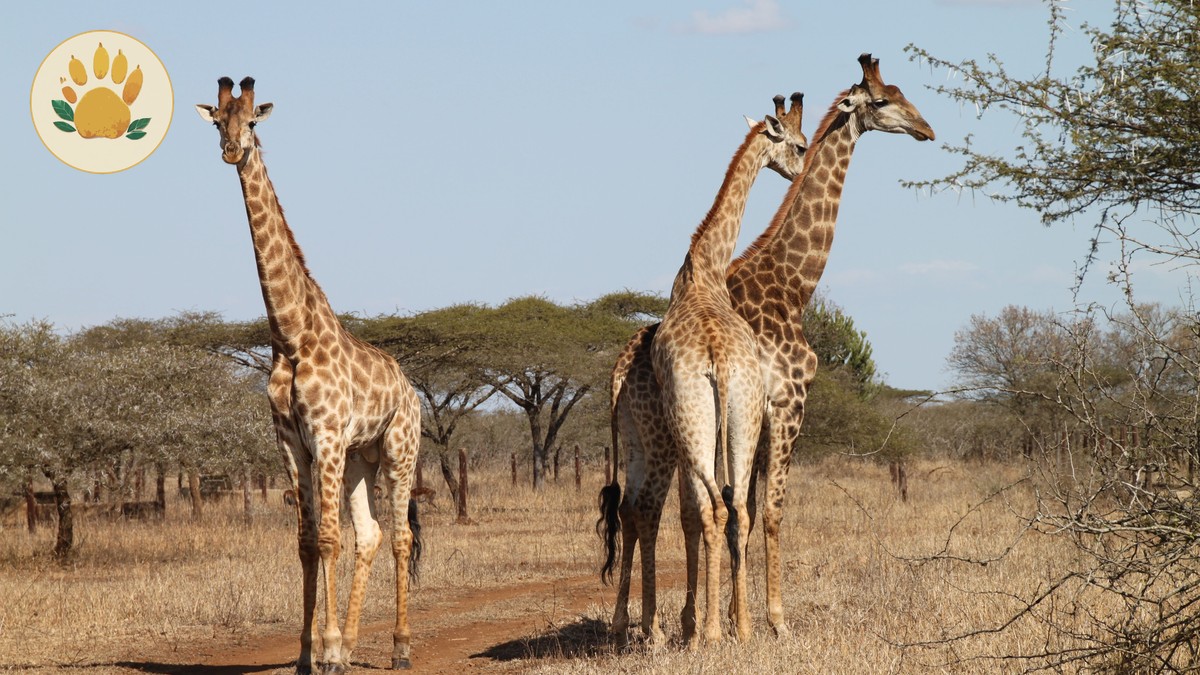
Samburu is the stronger choice for Kenya’s northern Special Five: Grevy’s zebra, reticulated giraffe, gerenuk, Beisa oryx and Somali ostrich. Meru adds a greener riverine setting with elephants, lions, cheetahs and varied birdlife, plus the conservation history associated with Elsa the lioness and the Adamson family.
In Samburu National Reserve, dry country favors animals adapted to heat. You may see a herd of Grevy’s zebra near the Ewaso Ng’iro River. The gerenuk stands on its hind legs to browse acacia branches. Somali ostriches have blue-gray legs and a different nesting style from the southern race.
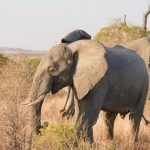
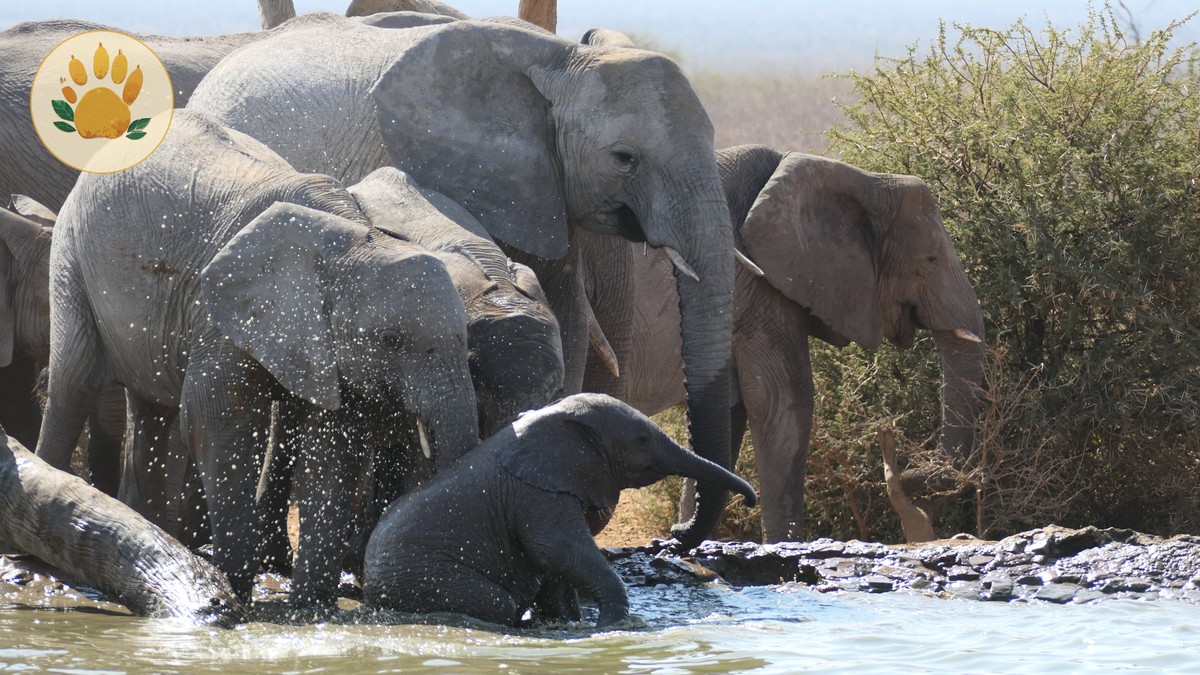
Meru National Park feels wetter and more tropical. Doum palms and river forests give it a lush character that contrasts with Samburu. Elephants are common, and lions and cheetahs use the open plains. The park is also part of the Born Free story. Elsa the lioness was raised here by Joy and George Adamson, and that heritage still draws travelers who want a quieter Kenya safari itinerary.
Driving Times, Route and Transport Logistics
The practical overland route runs Nairobi to Samburu, Samburu to Meru, then Meru back to Nairobi. Nairobi to Samburu commonly takes about five and a half to six and a half hours. Samburu to Meru takes about three and a half to four hours. Meru to Nairobi takes roughly four to five and a half hours. Actual times depend on roads, stops and park gates.
Here are indicative distances and drive times for the usual loop.
| Leg | Route via | Approx. distance | Approx. drive time |
|---|---|---|---|
| Nairobi to Samburu | Thika and Isiolo | 300 to 350 km | 5.5 to 6.5 hours |
| Samburu to Meru | Archer’s Post and Nanyuki | 220 to 270 km | 3.5 to 4 hours; allow 5 to 6 with stops |
| Meru to Nairobi | Meru town and Embu | 270 to 330 km | 4 to 5.5 hours |
Most travelers use a 4×4 Land Cruiser with a pop-up roof. A private vehicle is worth the extra money on this circuit because you control the pace and you can stop for wildlife without waiting for others. Charter flights from Nairobi Wilson to Samburu or Meru airstrips exist, but they add a separate cost.
A common question is where Ol Pejeta Conservancy fits. It lies south of Nanyuki, roughly between Nairobi and Samburu on a map. Adding it between Meru and Nairobi extends the loop. It works best on a six-day or longer itinerary. For a first northern Kenya safari, leave it out. For a return visit that wants rhinos and a concrete conservation story, it is a useful extra night. Our Ol Pejeta Conservancy guide covers what a single night there adds to this route.
Where to Stay: Recommended Camps and Lodges
Choose a riverside Samburu camp such as Ashnil Samburu or Samburu Sopa Lodge, then stay in Meru at Ikweta Safari Camp or Rhino River Camp for a practical mid-range circuit. For a higher-end trip, compare properties near the park’s main wildlife areas and prioritize air conditioning, generator hours, gate access, and whether game drives are shared or private.
Ashnil Samburu sits beside the Ewaso Ng’iro and gives you a front-row view of elephants coming down to drink. Samburu Sopa Lodge is a solid family-friendly base with a pool. In Meru, Ikweta Safari Camp works well as a comfortable base with easy access to the park. Rhino River Camp is smaller and quieter, which suits repeat Africa visitors who prefer a softer atmosphere.
Before you book, ask three questions. Are the game drives private? Are park entry fees included in the rate? What are the generator hours? Those details change the daily experience more than the name of the lodge.
Samburu Meru Safari Circuit Cost and Inclusions
A realistic planning budget is about $350 to $900 per person per day for a private or small-group circuit. The exact price depends on season, occupancy, camp category, vehicle and park fees. Request a quote that separates accommodation, meals, guide, vehicle, fuel, park entry, airport transfers, cultural visits and optional flights so the headline price is genuinely comparable.
Season is the biggest cost factor. High season in Kenya runs July to October and December to January. Shoulder months such as June and November are cheaper. Group size matters too. A private vehicle for two costs more per person than the same vehicle for four or six. Our Kenya group safari cost breakdown shows how those fixed costs split across a group.
Park entry is separate from accommodation. KWS raised non-resident fees in October 2025. Nairobi National Park and Tsavo East and West are now USD 80 per adult per day. Amboseli and Lake Nakuru are USD 90. Meru National Park sits in a similar range; confirm the current Meru rate at booking. Samburu is a county-run reserve, and its entry fee is normally included in lodge rates.
The quote should also separate optional activities. A village visit near Samburu adds a modest cost and gives context to the landscape. If that interests you, our Kenya safari cultural visit costs page explains what those tours usually add.
Frequently Asked Questions
How many days do you need for Samburu and Meru?
Five days is the minimum practical duration, but six or seven nights produces a more relaxed safari. A balanced plan gives each park at least two full game-drive days and avoids spending most of the trip on inter-park transfers.
How far is Samburu from Meru National Park?
The drive from Samburu to Meru commonly takes about three and a half to four hours. Actual timing varies with the route, road conditions, park gates, wildlife stops and whether the vehicle makes a lunch or viewpoint break.
What is the best route between Samburu and Meru?
The simplest overland circuit is Nairobi to Samburu, Samburu to Meru, and Meru back to Nairobi. Travelers adding Ol Pejeta can place it between Meru and Nairobi or start there, but the extra stop increases driving and works best on a six-day or longer itinerary.
Which animals can you see in Samburu and Meru?
Samburu is known for the Special Five: Grevy’s zebra, reticulated giraffe, gerenuk, Beisa oryx and Somali ostrich. Meru offers elephants, lions, cheetahs, giraffes and abundant birdlife in a greener habitat, although sightings are never guaranteed.
How much does a Samburu Meru safari cost?
Budget approximately $350 to $900 per person per day as an initial planning range for a private or small-group safari. The final price depends on season, accommodation, group size, vehicle, park fees, guide services, transport and optional activities.
The SafariPure Difference
SafariPure plans routes the way a senior guide would. We put the hours and kilometers on the table before we talk about luxury. We name the camps, we state the park fees, and we build in enough full game-drive days for the safari to feel like a safari.
The Samburu Meru circuit is a favorite because it rewards patience. Dry-country wildlife, river forests and fewer vehicles make it feel different from the crowded Mara circuit. Our job is to make the practical details clear and honest. You still need to know the transfer time, the camp standard and the cost. We give you that, and then we design the days around it.
Plan This Trip With SafariPure
Ready to turn this circuit into a booking? SafariPure can plan the four-day, six-night or seven-night Samburu Meru safari circuit with camps that fit your budget and travel style.
Tell us when you want to travel and how many people are in your group. We will send a quote that separates accommodation, meals, transport, park entry and optional activities. Contact SafariPure to start planning.